Physiotherapy
How Long Does Physiotherapy Take After Knee Replacement Surgery?
By CareKwik Team · 22 June 2026
Setting Realistic Expectations
One of the most common questions we hear from patients and families preparing for knee replacement surgery is simple: how long will physiotherapy actually take? The honest answer is that it varies by individual, but most patients follow a broadly predictable timeline, and understanding it in advance makes the recovery process far less stressful.
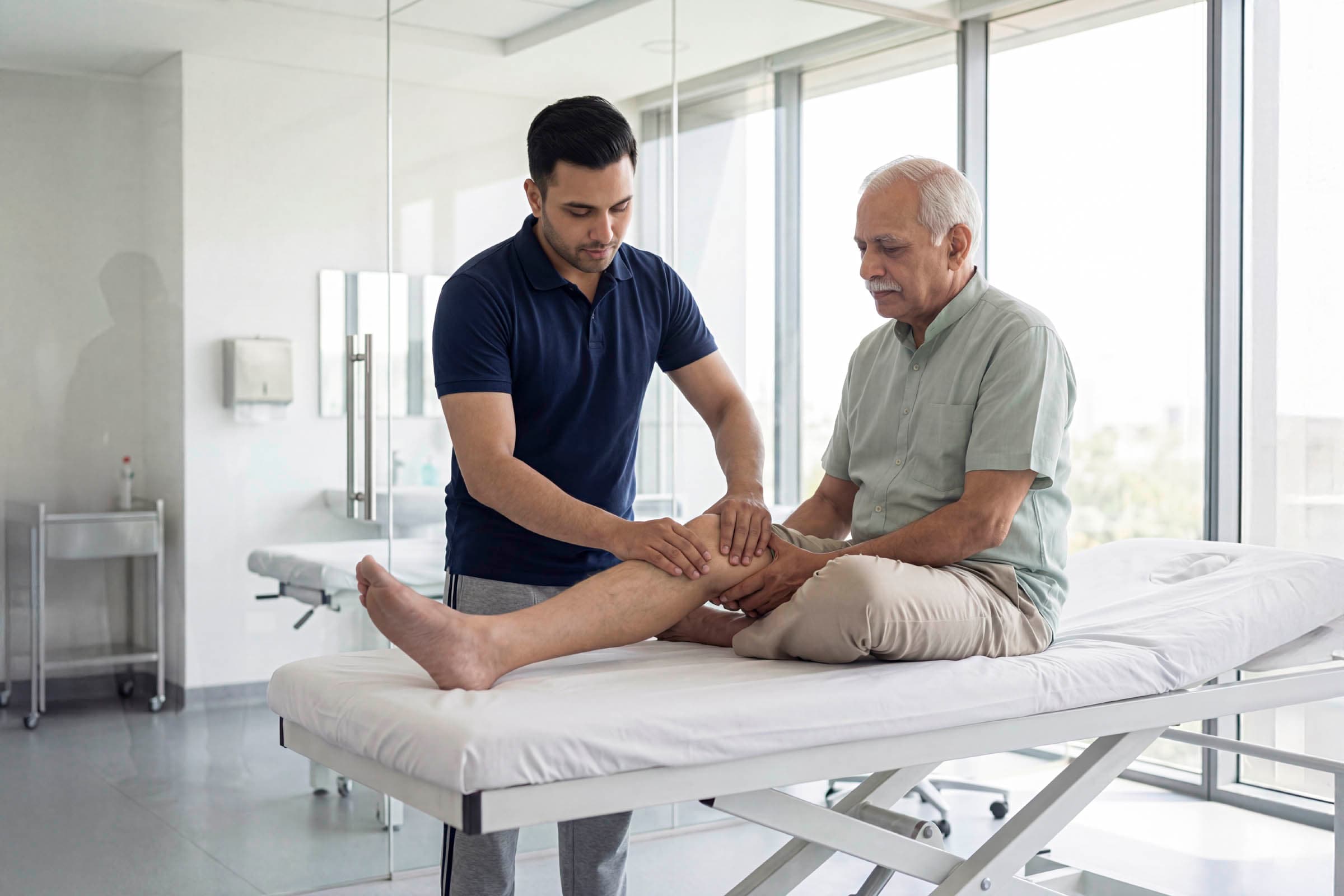
In general, physiotherapy after knee replacement continues for 8 to 12 weeks for most patients, though full strength and confidence can take up to 6 months to fully return. Here's what that actually looks like, week by week.
Week 1-2: Immediate Post-Surgical Recovery
Physiotherapy typically begins within 24 hours of surgery, often while still in the hospital, focused on basic movement — getting in and out of bed safely, short assisted walks, and gentle range-of-motion exercises. Once home, sessions continue with an emphasis on reducing swelling, preventing stiffness, and building enough confidence to move around the house safely.
This is often the most physically demanding phase emotionally, even though the exercises themselves are gentle — pain and swelling are at their peak, and progress can feel slow day to day.
Week 3-6: Building Strength and Range of Motion
By the third week, most patients shift toward more active strengthening exercises — leg raises, controlled knee bends, and balance work. This is typically when patients notice the most visible week-to-week improvement, which helps motivation considerably. Home-based sessions during this phase are particularly valuable, since consistency matters more than intensity at this stage, and avoiding travel to a clinic reduces the risk of overexertion or falls.
Week 7-12: Functional Recovery
This phase focuses on regaining the ability to do everyday tasks confidently — climbing stairs, getting up from low chairs, walking longer distances without a support device. Physiotherapists typically begin tapering session frequency during this window as strength and independence improve, though the exact pace depends entirely on the individual's progress.
Months 3-6: Long-Term Strength and Confidence
Even after formal physiotherapy sessions taper off, most patients continue a home exercise program to build full strength and confidence in the joint. Many patients report their knee still feels 'different' for several months post-surgery — this is normal and typically continues to improve gradually over this period.
Why Home-Based Physiotherapy Often Works Better for This Recovery
For knee replacement specifically, home-based physiotherapy has a few practical advantages worth considering. Travel to a clinic in the early weeks is genuinely difficult and sometimes risky given limited mobility. Home sessions also allow the physiotherapist to address real obstacles in your actual living space — stairs, bathroom layout, furniture height — rather than a generic clinic setup that doesn't reflect your daily reality.
Consistency also tends to be higher with home visits, since there's no missed session due to transportation difficulty, which is one of the most common reasons recovery timelines extend longer than necessary.
What Can Slow Down Recovery
A few factors commonly extend these timelines: inconsistent attendance at sessions, underlying conditions like diabetes affecting healing, age and pre-surgery fitness level, and — perhaps most importantly — fear of movement, which paradoxically slows recovery more than the movement itself would.
Getting Started
If you or a family member has knee replacement surgery scheduled or recently completed, starting physiotherapy promptly and consistently is the single biggest factor in a smooth recovery. CareKwik's physiotherapists provide post-surgical rehabilitation at home across Chandigarh, Mohali, and Panchkula, coordinated with your surgeon's discharge instructions from day one.
Ready to talk to our team?
Book a Free Assessment